




Car Insurance
Bankrate's insurance experts guide you through the basics of car insurance. Our exclusive approach can help you feel more confident in your insurance decisions.
What you need to know about
Comparing online car insurance quotes can help you narrow down carriers with auto insurance rates that fit your budget and coverage needs. But with so many options to sort through, knowing where to start can be tough. Bankrate's insurance editorial team mapped out four steps to help you discover what coverage you may need and how to find it at the best price:

Determine your priorities
Insurance is a highly individualized product, and every driver has different needs to meet in terms of both coverage and budget. Are you willing to spend a little more for top-notch customer service, or is price the primary determining factor? Does your vehicle need special coverage, or are you looking for a standard policy with improved perks like discounts and the latest digital tools? Setting a budget and outlining your priorities will simplify the shopping process.

Build your desired coverage package
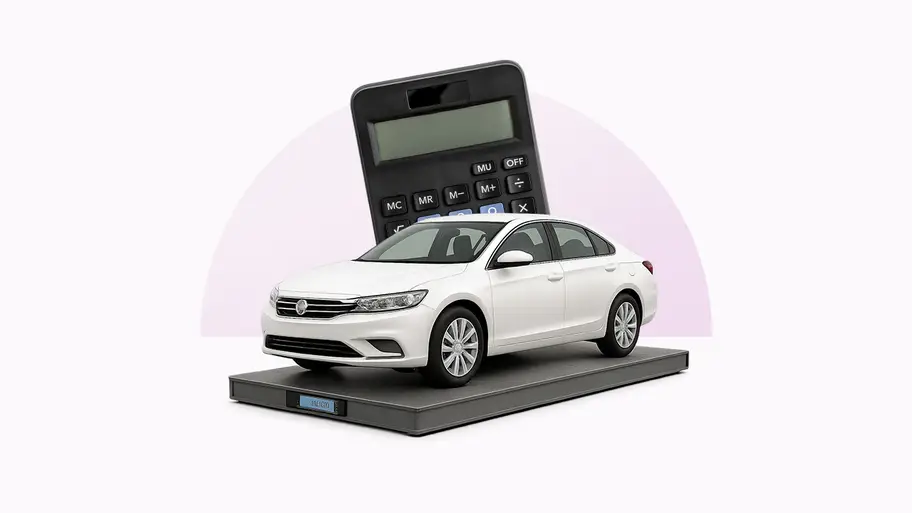
Once you know how much you can spend, you can evaluate the different types of coverage and policy limits you may need and request the same package from each company. Requesting auto insurance quotes that are as similar as possible in terms of coverage types and limits allows you to compare rates from different carriers accurately.
Gather your personal information
Anonymous car insurance quotes exist, but they’re rare and often inaccurate. To compare accurate rates, you will need to have some information handy, including:
-
Driver information
You will need to provide basic information (such as names and birthdays) for all the drivers in your household. While you probably won't need their driver's license numbers during the quoting process, you will need them to purchase the policy and may want to gather this information now to make it easier to purchase the policy later. Additionally, the company may run your credit-based insurance score if you live in a state that allows insurance companies to consider your credit history as part of calculating your car insurance rate.
-
Vehicle information
Providing your vehicle identification number (VIN) when requesting a quote allows insurers to estimate the risk and cost of claims on your car and can help ensure that you receive all the vehicle safety discounts you may be eligible for.
-
Driving history
It's vital to give a detailed account of the accidents, tickets and suspensions you and any other drivers on your policy have received over the last three to 10 years. Because most companies don't run driving records until you decide to purchase the policy, failure to provide this information during the process could result in inaccurate quotes that change significantly when you finalize your policy.
After you’ve gathered enough auto insurance quotes, you can start comparing them based on your priorities, budget and preferred coverage package. All insurance companies weigh risk factors and formulate insurance premiums differently. Your policy quotes will range in price based on how each carrier weighs certain rating factors.
Get a quote from car insurance companies in
Definition of terms
Filter results
The factors shown have the largest impact on your payment and are used to provide the premium rates shown. Based on the state you live in, some rating factors may not apply.
Why we're asking
Customer satisfaction
/1000
Not rated
J.D. Power score
Avg. estimated premium
$-/mo
$-/yr
Expert take:
Read full review
Pros
Cons
*We calculated this estimated average by comparing your provided details to data for similar drivers. Our calculation assumes a 2020 Toyota Camry, 7,500 miles annually, 100/300/50 liability limits with $1,000 comprehensive and collision deductibles and no accidents. While we seek to provide a wide range of offers, we do not include every product or service that may be available. Our goal is to keep information accurate and timely, but some information may not be current. Your actual offer may be different from the offer on this advertisement. All offers are subject to additional terms and conditions.
Powered by Coverage.com (NPN: 19966249)
Advertising disclosure
This advertisement is powered by Coverage.com, LLC, a licensed insurance producer (NPN: 19966249) and a corporate affiliate of Bankrate. The offers and links that appear on this advertisement are from companies that compensate Coverage.com in different ways. The compensation received and other factors, such as your location, may impact what offers and links appear, and how, where and in what order they appear. While we seek to provide a wide range of offers, we do not include every product or service that may be available. Our goal is to keep information accurate and timely, but some information may not be current. Your actual offer from an advertiser may be different from the offer on this advertisement. All offers are subject to additional terms and conditions.
Coverage.com, LLC is a licensed insurance producer (NPN: 19966249). Coverage.com services are only available in states where it is licensed. Coverage.com may not offer insurance coverage in all states or scenarios. All insurance products are governed by the terms in the applicable insurance policy, and all related decisions (such as approval for coverage, premiums, commissions and fees) and policy obligations are the sole responsibility of the underwriting insurer. The information on this site does not modify any insurance policy terms in any way.
We couldn't find any rates that match your critera
Please check your inputs and try again, or answer a few more questions to get accurate, personalized quotes from carriers in your area.
Powered by Coverage.com (NPN: 19966249)
Advertising disclosure
This advertisement is powered by Coverage.com, LLC, a licensed insurance producer (NPN: 19966249) and a corporate affiliate of Bankrate. The offers and links that appear on this advertisement are from companies that compensate Coverage.com in different ways. The compensation received and other factors, such as your location, may impact what offers and links appear, and how, where and in what order they appear. While we seek to provide a wide range of offers, we do not include every product or service that may be available. Our goal is to keep information accurate and timely, but some information may not be current. Your actual offer from an advertiser may be different from the offer on this advertisement. All offers are subject to additional terms and conditions.
Coverage.com, LLC is a licensed insurance producer (NPN: 19966249). Coverage.com services are only available in states where it is licensed. Coverage.com may not offer insurance coverage in all states or scenarios. All insurance products are governed by the terms in the applicable insurance policy, and all related decisions (such as approval for coverage, premiums, commissions and fees) and policy obligations are the sole responsibility of the underwriting insurer. The information on this site does not modify any insurance policy terms in any way.
Why should you use Bankrate to compare auto insurance quotes?
As a trusted name in the financial services sector since 1976, Bankrate began as a print publication geared toward bankers and those in the banking industry. Today, we help millions of readers make wise decisions regarding their savings, loans, investments and insurance. Our insurance editorial team includes licensed agents with agency experience. Using our combined knowledge and proprietary rate data, we can provide accurate, helpful and easy-to-understand information to help you find the cheapest online car insurance quotes.
With Bankrate, you can:
- Rest assured that we safeguard your private information
- Instantly compare personalized rates among many of the nation's top car insurance companies
- Purchase a policy with a licensed agent through our coverage agency
- Research auto, home and life insurance through articles written, edited and reviewed by industry professionals
How we work
Our partnership with Coverage
Who is Coverage?
Find out moreCoverage is our trusted and preferred Bankrate partner that helps you easily find and compare personalized offers from top insurance providers like Nationwide, Liberty Mutual, Safeco and many more.

on Coverage's website
Powered by Coverage.com (NPN: 19966249)
Advertising disclosure
This advertisement is powered by Coverage.com, LLC, a licensed insurance producer (NPN: 19966249) and a corporate affiliate of Bankrate. The offers and links that appear on this advertisement are from companies that compensate Coverage.com in different ways. The compensation received and other factors, such as your location, may impact what offers and links appear, and how, where and in what order they appear. While we seek to provide a wide range of offers, we do not include every product or service that may be available. Our goal is to keep information accurate and timely, but some information may not be current. Your actual offer from an advertiser may be different from the offer on this advertisement. All offers are subject to additional terms and conditions.
Coverage.com, LLC is a licensed insurance producer (NPN: 19966249). Coverage.com services are only available in states where it is licensed. Coverage.com may not offer insurance coverage in all states or scenarios. All insurance products are governed by the terms in the applicable insurance policy, and all related decisions (such as approval for coverage, premiums, commissions and fees) and policy obligations are the sole responsibility of the underwriting insurer. The information on this site does not modify any insurance policy terms in any way.
01
Tell us about yourself
We'll gather some basic details about your household and vehicles.
02
Choose your policy
Compare personalized offers and pick the best one for you.
03
Lock it in
Finish the process online or on the phone with a trusted agent.
What affects my car insurance quote?
Car insurance is like a fingerprint — car insurance companies may use almost a dozen different rating factors to determine your premium. Although these factors can vary depending on your state, some may include your age, gender, location, driving history and credit history. Additionally, the type of vehicle you drive and the level of coverage you select will impact the cost of your car insurance. With this in mind, the best car insurance quote will be different for everyone. The best way to find the cheapest policy that suits your individualized needs is to request free online car insurance quotes and shop around.
Compare car insurance carriers



learn more
2025 Bankrate Awards
Our Bankrate Awards identified the standout insurers across a range of metrics. In our search for the best of the best, we analyzed average rates, coverage offerings, discounts, availability, digital tools, and third-party customer satisfaction and financial strength ratings.
Read car insurance carrier reviews
Find out how much you should be paying

Average car insurance cost by state in 2025
|
|
|
|
|---|---|---|
|
$2,155
|
$562
|
|
|
$2,378
|
$501
|
|
|
$2,644
|
$849
|
|
|
$2,432
|
$502
|
|
|
$3,119
|
$916
|
|
|
$3,203
|
$579
|
|
|
$2,753
|
$1,089
|
|
|
$2,970
|
$1,097
|
|
|
$3,884
|
$1,056
|
|
|
$2,909
|
$1,046
|
|
|
$1,678
|
$413
|
|
|
$1,476
|
$386
|
|
|
$2,376
|
$667
|
|
|
$1,709
|
$446
|
|
|
$1,932
|
$335
|
|
|
$2,477
|
$605
|
|
|
$2,599
|
$729
|
|
|
$4,135
|
$1,087
|
|
|
$1,687
|
$425
|
|
|
$3,039
|
$1,101
|
|
|
$2,096
|
$649
|
|
|
$3,207
|
$897
|
|
|
$2,577
|
$720
|
|
|
$2,325
|
$533
|
|
|
$2,516
|
$655
|
|
|
$2,395
|
$408
|
|
|
$2,393
|
$524
|
|
|
$3,568
|
$1,084
|
|
|
$1,694
|
$466
|
|
|
$3,254
|
$1,413
|
|
|
$2,158
|
$457
|
|
|
$4,090
|
$1,773
|
|
|
$1,831
|
$579
|
|
|
$1,801
|
$397
|
|
|
$1,842
|
$498
|
|
|
$2,797
|
$560
|
|
|
$2,121
|
$841
|
|
|
$2,472
|
$539
|
|
|
$2,991
|
$910
|
|
|
$2,023
|
$671
|
|
|
$2,300
|
$374
|
|
|
$2,004
|
$513
|
|
|
$2,751
|
$786
|
|
|
$2,188
|
$831
|
|
|
$1,610
|
$351
|
|
|
$2,070
|
$753
|
|
|
$1,919
|
$589
|
|
|
$2,162
|
$566
|
|
|
$1,902
|
$451
|
|
|
$1,760
|
$265
|
|
|
$2,873
|
$888
|
Average auto insurance premiums based on a 40-year-old driver with a clean driving record and good credit.
Learn more about car insurance

Learn the difference between common car insurance coverage types and how they work.

Find Michigan’s car insurance laws confusing? Bankrate can help.

What really happens if you’re caught driving without insurance? Bankrate explains.

Find out how a speeding ticket affects your Florida car insurance policy.

A speeding ticket in SC could raise your insurance by 20 percent.

What happens if you drive without insurance in Virginia? Learn more with Bankrate.

Finding affordable car insurance in Michigan after a DUI may be a challenge.

Wondering how to insure your new luxury ride? Bankrate can help.

A teen driver could add thousands to your annual car insurance bill, and a little-known industry quirk could push it even higher.
Insurance is the priciest hidden cost of car ownership.

Experts say that 2024 saw record insurance shopping, even among loyal customers.

Has inflation left you underinsured? Bankrate investigates.

Tariffs will raise prices, but the strategies for insurance savings remain the same.

Rsing temps and road rage are a costly combo. discover the mental and financial impact on drivers and their car insurance rates.

Telematics impact insurance rates and driver behavior — California’s missing out.

Bankrate explains how CA, NC, UT and VA car insurance laws are changing in 2025.

Car insurance provides financial security to drivers and is often required to drive.

Car insurance rates aren’t permanent. Here are 7 tips to lower your auto insurance.

Qualify for discounts to save on your auto insurance.
The trusted provider of accurate rates and financial information